
Lost Sword
Wemade ConnectRole Playing
4.32.96K Reviews
- Version
- 1.585.1
- Installs
- 1.00M
- Age Rating
- Mature 17+
Screenshots
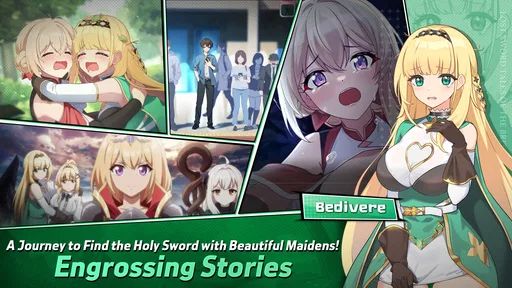
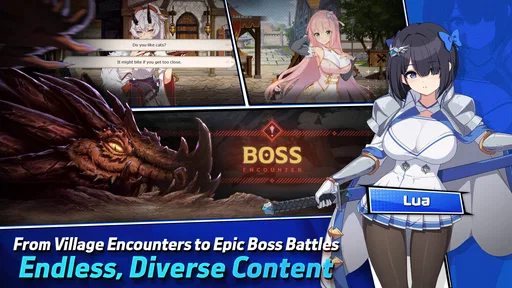
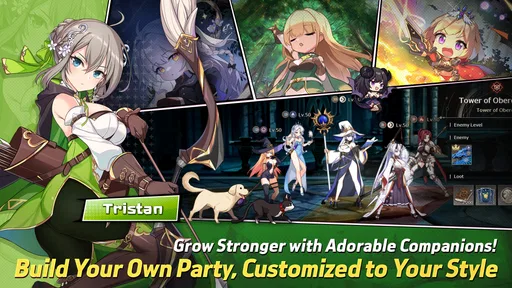
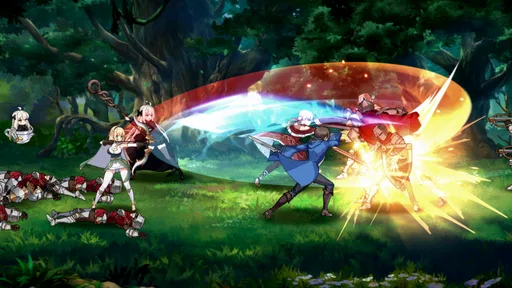
Our Review of Lost Sword
 Analysis by Appyee
I went into Lost Sword expecting a mobile role-playing game built around quick sessions, character progression, and a strong romantic angle. That first impression is broadly right, but the experience is more demanding than its short store description suggests. It combines action-focused play with conversations and relationship choices, so it is not simply a game to tap through while ignoring the story. I found that the best results came from treating battles, dialogue, and resource decisions as parts of one connected routine.
Developed by Wemade Connect, the game is free to start and aimed at mature players. It has already passed a million installs and holds a 4.3 average from roughly fifty-nine thousand ratings, which gives it a sizable audience without making it feel like a universal recommendation. The mature 17+ classification is worth taking seriously: the tone, presentation, and romantic themes will not suit every player. I would describe it as a character-driven action RPG for people who enjoy flirtation and progression systems as much as combat.
Getting past the first points of friction
The first hurdle is deciding what kind of game this really is. If you approach it like a traditional, purely combat-led RPG, the relationship scenes can feel like interruptions. If you expect an interactive romance story with occasional battles, the action can seem more central than expected. I had a better time once I accepted that the game alternates between these two moods rather than choosing only one.
Another common sticking point is pace. Early progress can encourage you to move quickly through available content, but rushing every conversation makes the romantic side feel shallow and can leave you less aware of why certain choices matter. I recommend reading the dialogue instead of treating it as a reward screen between fights. Even when a scene does not immediately change the battle experience, it helps establish which characters and interactions you actually want to prioritize.
The game also asks you to manage attention. Combat rewards active participation, while the social sections reward patience and observation. Trying to play both in exactly the same way is inefficient. I use short battle sessions when I only have a few minutes, then save longer uninterrupted periods for story and relationship content. That simple split makes the overall rhythm feel less scattered.
The most useful early habit is to pause before spending anything important. Free-to-play RPGs often make the first rewards feel abundant, but early resources become more valuable once several progression paths compete for them. I prefer to test a character or system long enough to understand its role before committing heavily. This is especially helpful if you are playing without purchases and want to avoid rebuilding your progress around an impulse decision.
What to check before settling into the game
Because Lost Sword is free to download but includes purchases ranging from $0.99 to $79.99 per item, I would make a personal spending rule before beginning. That does not mean purchases are automatically necessary. It means the game is easier to enjoy when you already know whether you are playing strictly for free, allowing occasional small purchases, or comfortable paying for convenience. Without that boundary, attractive progression offers can quietly change the way you judge every session.
I also recommend checking the device and operating-system requirements before assuming installation trouble is a game problem. The listed minimum is Android 7.0, so an older or heavily modified device may create issues even when other apps appear to work. On a compatible phone, keep enough free storage for installation and updates, use a stable connection during setup, and avoid switching repeatedly between apps while the initial files are being prepared.
If the game opens but feels unstable, start with ordinary checks rather than immediately reinstalling. Close other demanding apps, restart the device, and confirm that the operating system and the game itself are current. If you are using mobile data, try a reliable Wi-Fi connection for downloads or updates. These steps sound basic, but they separate a temporary setup problem from a deeper compatibility issue and reduce the risk of losing time on unnecessary fixes.
For players who use more than one device, I would be cautious about assuming that progress will behave exactly as it does in a console or PC account system. Before changing devices or removing the app, make sure you understand how your current progress is retained inside the game. I would not erase anything simply because a loading screen takes longer than expected. A reinstall should be a later step, not the first response.
The mature rating is another setup consideration, especially on a shared family device. I would not install this for a younger player merely because the combat looks accessible. The romantic presentation is part of the game’s identity, not a minor side detail. Adults who dislike suggestive character interactions should know that the age classification reflects the overall tone, not just the presence of fantasy battles.
A routine that makes progression easier to read
My preferred workflow begins with a quick look at current objectives, followed by a focused combat session. I avoid jumping between every available activity at once. Completing one clear task gives me a better sense of which rewards are helping and which are merely filling the screen. After that, I spend time with the relationship content rather than postponing it indefinitely. This keeps the game’s two main parts connected.
When a battle becomes difficult, I do not immediately assume that the answer is a purchase. First I check whether I have overlooked a progression step, equipped the wrong option, or spent resources too widely. I then replay easier content if I need a clearer understanding of the combat flow. That approach is slower than forcing progress, but it gives me information I can use instead of simply consuming more resources.
One practical tip is to separate experimentation from commitment. If the game gives you several ways to improve your roster or characters, use the early phase to learn what feels comfortable. Do not build everything at once. A narrow, understandable setup is easier to troubleshoot than a broad collection of half-developed choices. This matters most for players who prefer planning over improvisation.
A second useful habit is to keep track of why you made a choice. I do not mean maintaining a complicated spreadsheet. A quick mental note—whether I selected an option for story interest, combat value, or curiosity—helps prevent disappointment later. Relationship decisions are more enjoyable when they reflect your intention rather than an accidental tap made while skipping text.
A third insight is that the game works better as a series of deliberate sessions than as an endless background activity. If I play while distracted, I miss dialogue and make weaker decisions. If I focus only on the action, I lose much of what separates Lost Sword from a straightforward mobile battler. A ten-minute combat session and a longer story session serve different purposes, and treating them that way improves the experience.
Recovering when progress feels stuck
There are several kinds of “stuck,” and each needs a different response. If I cannot clear a battle, I inspect progression and strategy. If a scene does not seem to advance, I first check whether the current objective requires another activity. If the application itself freezes or closes, I move to device and connection checks instead of repeatedly tapping the same screen.
For a temporary freeze, I would close the game normally if possible, restart it, and test again without several other apps running. If the problem appears only on a weak connection, changing networks is more useful than changing gameplay choices. If the issue continues after ordinary restarts and updates, I would record what happened, including the screen or activity involved, before seeking help. Clear details make technical support more useful than a general complaint that the game “does not work.”
I would be especially careful with reinstalling. It can resolve damaged local files, but it can also create anxiety if you are unsure how progress is connected to your account or device. Confirm your sign-in or save situation first, then use reinstalling only when simpler checks have failed. This is one of those cases where patience protects progress better than aggressive troubleshooting.
Purchases deserve a separate recovery mindset. If an item or transaction does not appear as expected, I would avoid buying it again immediately. Check the purchase status, restart the game, and allow time for the account state to refresh. Keep any transaction information available if you need support. Repeating a purchase while frustrated can turn a small display problem into a larger billing problem.
When a character or relationship outcome surprises me, I treat that as a gameplay result before treating it as a bug. The romantic side is built around choices and priorities, so not every response will produce the outcome I wanted. Before restarting, I ask whether I actually misunderstood the scene, selected an unintended response, or neglected a prerequisite. That distinction helps preserve the value of experimentation.
When the phone, connection, or expectations are the real issue
Not every rough session is caused by Lost Sword. A phone with limited free space, heavy background activity, or an aging battery can make any action game feel less responsive. Heat can also change how comfortable a long session feels, even when the game is running normally. If performance improves after closing other apps or letting the device cool, the sensible conclusion is that the environment contributed to the problem.
Connection quality can create a similar illusion. A delayed response may look like a failed tap, while a slow scene transition may look like missing content. Testing on a different reliable network is a simple way to narrow down the cause. I would not judge the game’s combat responsiveness from one crowded connection or one moment when the device is struggling.
Expectations are just as important. Players who want a quiet, offline-friendly role-playing experience should probably choose a different type of game. Lost Sword’s appeal depends on its combination of action and romantic interaction, and that combination can feel busy if you prefer a single clear focus. Likewise, someone looking for a deep traditional romance simulator may find the combat and progression layer too prominent.
It is also not the best choice for people who dislike in-app purchases on principle. You can begin without paying, but the presence of purchase options affects the surrounding design and may influence how you think about speed and progression. Players who want a completely purchase-free environment will likely be happier with a premium RPG that charges once and avoids this tension.
On the other hand, this is a good fit for someone who wants more than a repetitive battle loop. I enjoyed the moments when a combat goal gave context to the next conversation, or when the social side made me care about continuing rather than merely collecting rewards. That connection is the game’s strongest reason to exist, and it is more distinctive than its basic action-RPG label suggests.
How it compares with familiar mobile RPG choices
Compared with a conventional action RPG, Lost Sword gives the player more reason to slow down between fights. Its romantic interactions are not just decorative text placed around a battle menu; they shape the tone and the way I think about progression. The trade-off is that players who want constant action may experience the dialogue as friction rather than variety.
Compared with a pure romance game, it asks for more attention to combat and character development. That makes it a better fit for someone who wants a relationship-focused story with a playable systems layer, but a weaker fit for someone who mainly wants to read and choose responses. Neither approach is objectively better. The right choice depends on whether you want the two halves to support each other.
Compared with a premium role-playing game, the free entry is inviting, but the purchase structure requires more self-control. A premium alternative may offer a cleaner cost model and a more predictable progression path. Lost Sword is more appealing if you like trying a game before deciding how much time or money it deserves, and less appealing if transaction prompts make you feel pressured even when you do not buy anything.
The current version is 1.576.1, and I would keep the installation updated rather than judging an older build after a problem appears. Updates can alter stability and content behavior, so troubleshooting an outdated version may lead you in the wrong direction. Still, updating should be paired with the basic device and connection checks above; it is not a substitute for understanding the source of a problem.
My practical verdict after playing
I recommend Lost Sword to adults who enjoy mobile role-playing games with an active combat component and a prominent romantic layer. It is particularly suitable for players who like making choices, experimenting with progression, and dividing their time between short battles and longer story sessions. The free starting point makes it easy to test that combination before committing, while the large existing player base suggests it has found an audience.
I would skip it if you want a purely tactical RPG, a romance story with almost no combat, or a premium experience without optional purchases. I would also avoid installing it for a child because the mature 17+ classification is central to deciding whether it is appropriate. Those are not minor caveats; they define who will actually enjoy the game.
My strongest advice is to begin slowly, set a spending limit, read the relationship scenes, and troubleshoot in layers. Check the device and connection before blaming the game, inspect progression before buying a solution, and protect your progress before reinstalling. With that mindset, the game’s unusual mix becomes its advantage rather than its source of confusion.
In the end, Wemade Connect has made a role-playing game that asks for more involvement than its brief store wording implies. I found its best moments in the balance between action and personal choice, while its main friction comes from that same blend and from the free-to-play structure. If you want an RPG that treats flirting and fighting as equally important parts of the journey, Lost Sword is worth trying; if you want only one of those experiences, another game will serve you better.
Verdict
Strengths of Lost Sword
- Fast-paced combat makes short play sessions enjoyable.
- Stylized visuals give the game a distinctive fantasy atmosphere.
- Different weapons encourage experimentation with combat styles.
- Frequent rewards help maintain a steady sense of progression.
- Offline play is convenient when an internet connection is unavailable.
Limitations of Lost Sword
- Some battles can feel repetitive after extended play.
- Difficulty spikes may require grinding or upgraded equipment.
- Touch controls can feel imprecise during hectic encounters.
- The interface may feel crowded on smaller phone screens.
- Limited story depth may disappoint players seeking a richer narrative.
Similar Picks in This Category
View All
Hair Dye
CrazyLabs LTD4.4

Monster High™ Beauty Salon
CrazyLabs LTD4.5

Bus Simulator - Bus Games 3D
Jima Apps4.4

Flight Pilot: 3D Simulator
Wildlife Studios4.1


Super Stylist Fashion Makeover
CrazyLabs LTD4.4
Frequently Asked Questions
What is Lost Sword, and what kind of game is it?
Lost Sword is a mobile role-playing game built around collectible heroes, turn-based or strategic battles, character progression, and an adventure-driven fantasy setting. Players assemble a team, improve weapons and abilities, complete story content, and take part in different challenges. Before downloading, keep in mind that the experience is designed for players who enjoy regular progression, team building, and managing several upgrade systems rather than a short, one-time adventure.
Is Lost Sword free to download and play?
Lost Sword can generally be downloaded without an upfront purchase, but it may include optional in-app purchases. These purchases can provide premium currency, character resources, cosmetic items, or progression advantages. The game can still be enjoyed without spending money, although free players may need more patience when upgrading their roster or obtaining specific rewards. It is also worth checking your device’s purchase restrictions before allowing younger players to access the game.
Does Lost Sword require an internet connection?
An active internet connection is normally required for Lost Sword because the game relies on online services for account access, progress synchronization, events, rewards, updates, and other connected features. This means it may not be suitable for playing during flights or in areas with unreliable mobile data. A stable Wi-Fi connection is recommended, especially when downloading additional game files or participating in competitive and event-based content.
Is Lost Sword suitable for beginners?
Lost Sword is reasonably accessible to newcomers because it usually introduces its combat, character, and upgrade systems gradually through tutorials and early missions. However, the number of currencies, equipment options, skills, and progression menus can feel overwhelming at first. New players should follow the main objectives, avoid spending valuable resources too quickly, and learn which characters work well together before committing heavily to upgrades or premium items.
What devices can run Lost Sword, and does it take much storage?
Before installing Lost Sword, check that your Android or iOS device meets the current requirements listed on the official store page. Performance can vary depending on the processor, available memory, operating-system version, and free storage space. The initial download may not include every asset, so the game can require additional space after installation. Older devices may experience longer loading times, reduced graphics quality, heat, or occasional performance issues during battles.
Play our best games!


